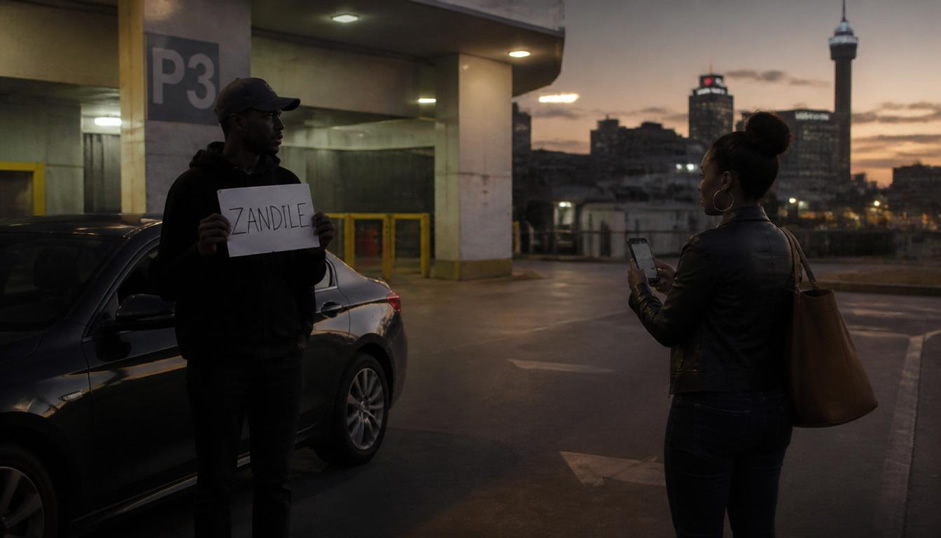
Ride sharing and lift clubs have become a genuine lifeline for South African commuters navigating rising fuel costs and unpredictable traffic. For most people, the experience is straightforward — a practical arrangement between people who simply want to get to work and back without it costing a fortune.
But where there is money, trust, and a degree of anonymity, there is also opportunity for those looking to take advantage. Ride share scams in South Africa are not rampant, but they are real — and they tend to target people who are new to the process, acting quickly, or simply unaware of what to look out for.
Knowing how these scams work is the most effective way to avoid them. Here is what South African commuters need to know.
Fake Driver and Passenger Profiles
Identity fraud is one of the most common risks in informal ride-sharing arrangements. A scammer creates a convincing profile — sometimes using a real name, a borrowed photo, or a number that appears legitimate — and builds just enough apparent credibility to get someone to commit to a ride or hand over money.
These profiles often seem genuine at first. The person is friendly, responsive, and quick to establish rapport. The red flags tend to appear when you try to verify the details: vague answers to direct questions, reluctance to do a phone call, or an inability to confirm basic information like their vehicle registration or workplace.
Always verify the full name, contact number, and vehicle details before agreeing to any arrangement. A brief phone call — not just a text exchange — remains one of the most reliable ways to confirm you are dealing with a genuine person. If someone consistently deflects that request, walk away.
Advance Payment Scams
This is one of the most straightforward scams to pull off and, unfortunately, one of the most effective. A driver or passenger asks for an upfront payment to "secure your seat", "guarantee availability", or "cover admin costs." The payment goes through — often via EFT or a payment app — and the person becomes unreachable shortly afterwards.
Legitimate lift club arrangements do not require large upfront payments from strangers. Fuel contributions in established groups are typically settled weekly or monthly among people who already know each other. Be especially cautious of anyone pushing urgency — "I need to confirm by today" or "there are other people interested" are classic pressure tactics designed to short-circuit your judgement.
Start small with any new arrangement. A trial run or two before committing financially gives you the chance to verify that the person and the arrangement are genuine.
Overcharging and Hidden Costs
A driver agrees to a fuel contribution, you commit to the arrangement, and then the costs start creeping up. An extra charge for a slightly longer route. A sudden increase when petrol prices rise, with no prior discussion. A new "toll fee" that was never mentioned upfront.
This is not always intentional fraud — sometimes it is simply a lack of clear agreement at the start. But the effect is the same: you end up paying more than you expected, and the financial logic of the arrangement breaks down.
Agree on costs upfront, in writing if possible — a WhatsApp message works perfectly well as a record. Decide in advance how fuel price fluctuations will be handled, and revisit the agreement if anything changes significantly. Clear expectations from the beginning prevent most of these disputes before they start.
Route Manipulation
Taking a longer route than necessary to inflate costs or journey time is less common in organised lift clubs but does occur in more informal or app-based ride-sharing arrangements. If you are new to a route or unfamiliar with an area, it can be difficult to notice.
The simplest protection is to run Google Maps or Waze on your own phone during unfamiliar trips, particularly in the early stages of a new arrangement. Sharing your live location with a trusted contact also means someone else has visibility of your route. If a driver takes a detour, ask about it directly — most of the time there is a legitimate reason, and a genuine driver will have no problem explaining it.
Fake Emergency Requests
You receive a message from a driver or fellow commuter: their car has broken down, they have run out of petrol, there is an emergency and they need money urgently — could you send through R300 quickly? They will sort it out at the end of the week.
This tactic relies on a combination of urgency, existing rapport, and the social discomfort of saying no to someone in apparent distress. In a country where genuine emergencies happen frequently, it can be hard to distinguish a real situation from a manufactured one.
The rule here is simple: do not send money to someone you do not know well, regardless of the story. If you have an established relationship with the person and the request seems legitimate, verify independently before acting — call them directly rather than responding to a message, or check with another member of the group.
Impersonation Within Lift Clubs
This one tends to catch people off guard because it happens within an arrangement that already feels established and trustworthy. A regular driver or passenger sends someone else in their place — a friend, a family member, or in some cases a complete stranger — without informing the rest of the group.
Arriving at your pickup point to find an unfamiliar face in the driver's seat, with no prior warning, is an immediate red flag. You are under no obligation to get into that vehicle. A simple group rule — that any substitution must be communicated and agreed to in advance — prevents this from happening and sets a clear standard for how the arrangement operates.
Offers That Seem Too Good to Be True
A lift club arrangement offering rates significantly below what you would expect to pay is worth examining carefully. Scammers use artificially low prices to attract interest quickly, secure a commitment or upfront payment, and then either disappear or change the terms once trust has been established.
Compare any offer against typical commuting costs on that route. If the price seems unrealistically low, ask questions. Genuine drivers offering a genuinely good deal will have straightforward, consistent answers. Pressure to decide quickly — before you have had time to think or verify — is a reliable signal that something is not right.
Your Best Protection Is Consistent Habit
None of these scams are particularly sophisticated, which is precisely what makes them effective. They rely on people being rushed, too polite to ask direct questions, or simply unaware that a particular tactic exists.
The commuters who avoid them most consistently are not the most suspicious — they are simply the most prepared. Verify before you commit. Agree on terms in writing. Use trusted meeting points. Share your trip details with someone. And trust your instincts when something does not feel right, even if you cannot immediately explain why.
Ride sharing in South Africa is a genuinely practical and affordable way to commute. A little awareness is all it takes to keep it that way.
Ready to find a verified commuter on your route?
Browse active lift clubs near you ?